
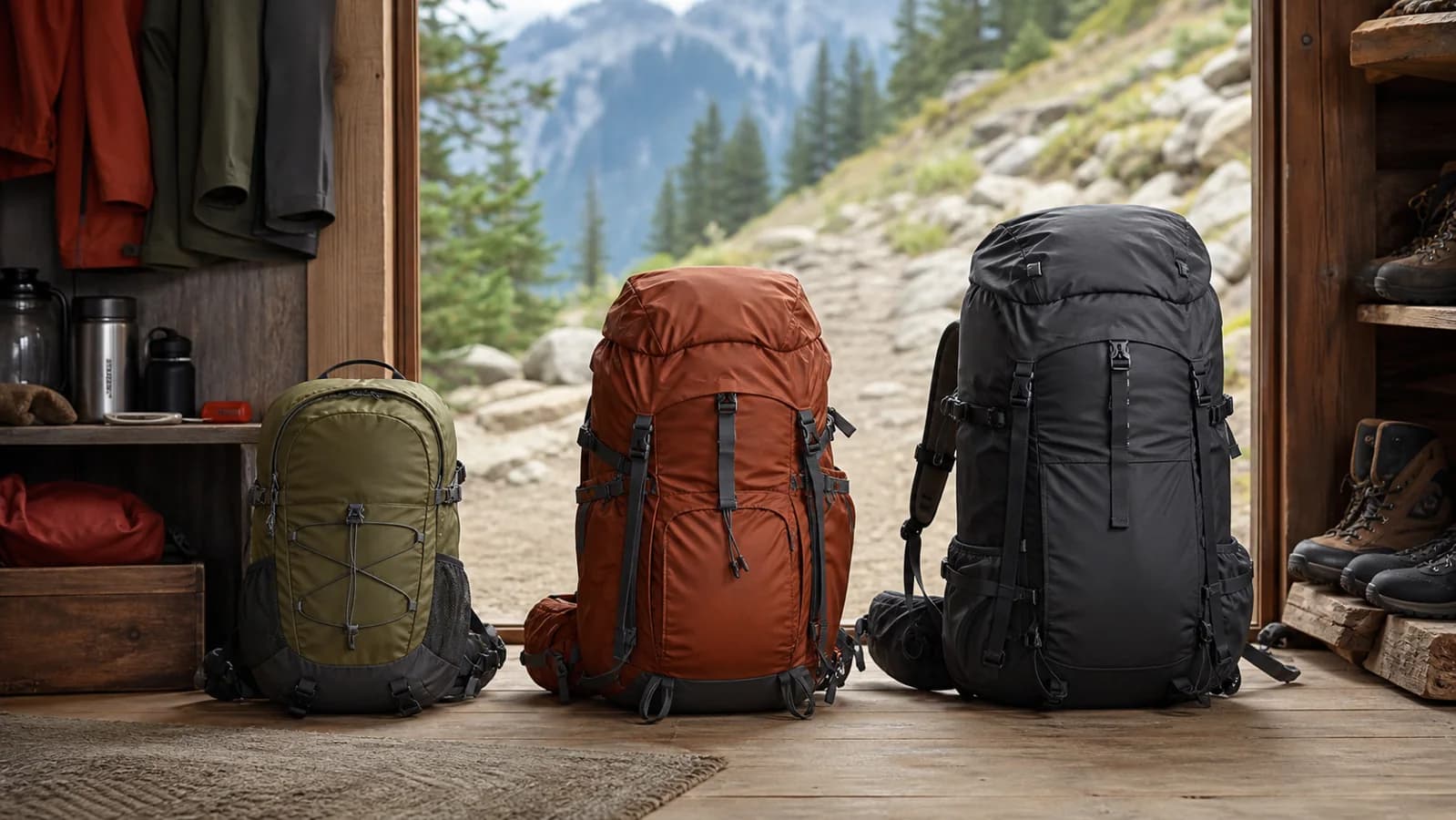
This hiking backpack size guide explains the practical criteria that matter most, including trip length, terrain, fit, comfort, and realistic gear trade-offs. Use it as a decision framework, then adjust the recommendation to your route, conditions, and experience.
Understanding Hiking Backpack Sizes: The Basics: hiking backpack size guide
Hiking backpack sizes are measured in liters, and that number represents the total volume the main compartment and pockets can hold. A daypack typically ranges from 20 to 35 liters, while multi-day backpacks often start at 50 liters and go up to 80 liters or more. The key is matching that volume to your actual needs rather than defaulting to a larger size you think will give you more flexibility.
For beginners, the temptation to buy a larger backpack is understandable. More space feels like insurance against forgetting something. However, an oversized backpack encourages overpacking and adds unnecessary weight to your frame, which directly impacts comfort and endurance on the trail. Understanding how volume translates to real gear helps you make a grounded decision.
When evaluating sizes, consider the difference between technical and casual use. A lightweight daypack for a two-hour hike serves a different purpose than a structured pack for a backcountry overnight. The context of your outdoor travel plans shapes which capacity range makes sense.
- 20-35 liters: Day hikes and short outdoor excursions
- 35-50 liters: Full-day hikes with extra layers and food
- 50-70 liters: Overnight and weekend trips
- 70+ liters: Multi-day backcountry adventures
How to Match Backpack Capacity to Trip Length
Trip length is the most straightforward factor in sizing your backpack. For a day hike with minimal gear, a 20-to-30-liter pack usually suffices. You can comfortably carry water, snacks, a first-aid kit, a light layer, and a phone or camera. Adding a packed lunch or extra clothing pushes you toward the 30-to-35-liter range.
Overnight trips require more capacity because you need sleeping gear, cooking equipment, and additional food. A 50-to-60-liter backpack is a common choice for one or two nights, giving you enough room for these essentials without excessive extra space. Multi-day trips beyond two nights typically need 65 liters or more, depending on whether you are carrying food for several days and the climate conditions requiring extra clothing layers.
Seasonal considerations also influence volume needs. Cold-weather hikes demand bulkier insulation and layering systems that take up more space. If you hike across multiple seasons, you might prefer a slightly larger pack that accommodates winter gear, or you might own two packs for different conditions. Either approach works; the goal is intentional matching rather than arbitrary selection.
Body Fit Matters: Torso Length and Hip Belt Sizing
Capacity is only one dimension of fit. The other critical dimension is how the pack sits on your body. Backpacks distribute weight through the hip belt, so an improperly sized hip belt causes discomfort and fatigue. Most backpacks come in small, medium, and large frames, with hip belts sized by waist or hip circumference. When trying on a pack, adjust the straps and verify that the hip belt sits on your hip bones, not your lower back or stomach.
Torso length is equally important. Measure from the base of your neck to the top of your hip bones to determine your torso length. Backpacks with adjustable torso systems offer flexibility, but fixed-frame packs require closer attention to this measurement. A pack that fits well transfers weight efficiently and reduces strain on your shoulders and back.
Gender-specific designs account for anatomical differences in shoulder width, hip shape, and torso length. Women-specific packs often feature shorter torso lengths, narrower shoulder straps, and differently contoured hip belts. Unisex packs can work for many body types, but trying on several options helps you identify which design feels most stable and comfortable.
Common Mistakes When Choosing Backpack Size
Buying for hypothetical future trips is a common error. If you currently hike for a few hours on local trails, a 70-liter pack purchased for a future Appalachian Trail thru-hike will sit mostly empty and feel unwieldy on the shorter outings that make up most of your current routine. Start with what matches your present habits and upgrade as your experience grows.
Ignoring pack weight is another frequent oversight. A large pack made of heavy materials can outweigh the benefit of its capacity. Ultralight packs use lighter fabrics and minimal frames, reducing the base weight of the pack itself. When evaluating options, consider the empty weight of the pack and how that adds to everything else you carry.
Failing to test the pack with real weight is a mistake that surfaces on the trail, not in the store. Load your anticipated gear into any pack you are seriously considering and walk around for at least fifteen minutes, ideally on varied terrain. This reveals balance issues, pressure points, and whether the weight distribution feels sustainable over longer periods.
- Buying too large to feel prepared
- Choosing heavy packs for their capacity alone
- Skipping fit testing with actual gear weight
Practical Trade-offs: Lightweight vs. All-Inclusive Capacity
Choosing a smaller pack encourages deliberate packing, which aligns with broader outdoor travel principles of carrying only what you need. Smaller packs also force you to evaluate each item critically, often resulting in lighter loads and more enjoyable hikes. The trade-off is flexibility; you may find yourself leaving behind useful items because space is genuinely limited.
Larger packs offer room for comfort items, extra food, or emergency gear. On multi-day trips, that extra volume pays off when you need to carry water in dry environments, haul bear canisters, or bring cold-weather gear. The trade-off is weight and the temptation to pack things you do not actually use, which slows you down and increases fatigue.
Finding the right balance involves honest assessment of typical conditions on your preferred trails. If water sources are frequent, you can carry less capacity for hydration. If they are sparse, you need more room for a larger water reservoir or multiple bottles. These practical variables shape the capacity that genuinely serves your hiking routine.
Packing Light: Essential Principles for Any Size
A solid hiking gear checklist forms the foundation of smart packing regardless of your pack size. List essentials first: hydration,导航, emergency shelter, food, and appropriate clothing. Once those core items are accounted for, evaluate what else genuinely earns a spot based on trip length, weather, and personal comfort tolerance.
Water bottle versus hydration reservoir is a decision that affects pack organization. Hard water bottles fit side pockets and are easy to grab but require reaching around the pack. Hydration reservoirs fit inside the main compartment and connect to a drinking tube, allowing continuous sips without stopping. Both work; the choice depends on preference and how you like to manage hydration while moving.
Clothing should focus on layering rather than volume. A lightweight rain jacket, a puffy layer, and a base layer cover most cool-weather scenarios without needing multiple outfit options. Rolling or compressing clothing efficiently uses space, and avoiding duplicate items like extra shoes keeps your pack lighter.
- Core gear: hydration,导航, shelter, food, clothing
- Water management: bottles versus hydration reservoirs
- Clothing strategy: layering over volume
Beyond Size: Features That Matter for Different Hikes
Frame type influences how a pack carries weight. Internal frame packs sit closer to your back and offer better maneuverability on technical terrain. External frame packs distribute weight more rigidly and are often preferred for heavy loads over established trails. Most casual and technical hikers choose internal frame packs, but understanding the distinction helps you evaluate options.
Pockets and organization affect accessibility and packing logic. Side pockets hold water bottles and snacks you want without removing the pack. Top lids or brain pockets provide quick access to small essentials like sunscreen, lip balm, or a headlamp. Hip belt pockets store energy gels, a phone, or trail maps for quick retrieval while walking.
Attachment points for trekking poles, ice axes, or sleeping pads matter if you use specialized gear. Some packs include dedicated sleeves or bungee cords; others require separate straps or carabiners. If you rely on trekking poles or carry equipment beyond basic hiking essentials, factor these features into your decision alongside capacity.
- Frame type: internal versus external
- Pocket layout: accessibility versus simplicity
- Attachment systems: poles, pads, and specialized gear
Frequently Asked Questions
What size backpack do I need for my first hike? For a first hike lasting two to four hours on a well-maintained trail, a 20-to-30-liter daypack is sufficient. Focus on carrying water, snacks, a map or phone, and one extra layer. This size is manageable for most beginners and avoids the weight burden of an oversized pack.
Can I use the same backpack for day hikes and overnight trips? You can, but a pack sized for overnight trips will feel empty and potentially unstable on day hikes. If you frequently do both, consider a versatile 35-to-50-liter pack that works for day hikes with minimal gear and also accommodates an overnight kit with a lightweight sleeping bag and pad.
How do I know if a backpack fits properly? A properly fitting backpack places the weight on your hip bones through the hip belt, keeps the shoulder straps snug against your shoulders without digging, and keeps the pack close to your back. The load should feel balanced and stable when you walk. Adjusting the torso length, hip belt, and shoulder strap tension achieves this fit.
Is a hydration reservoir better than a water bottle? Hydration reservoirs offer convenient hands-free drinking and fit inside the pack without occupying external space. Water bottles are easier to monitor for remaining volume and simpler to clean. Many hikers use both: a reservoir for continuous drinking and a bottle for electrolyte mixes or backup water.